

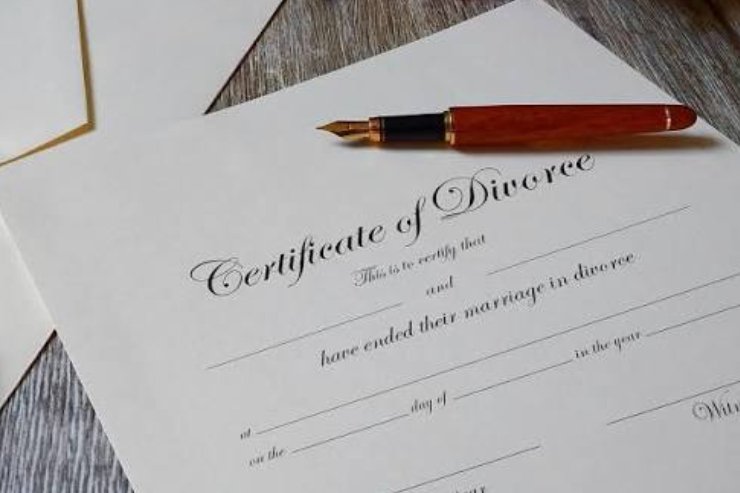
Marriage disputes can be emotionally and legally challenging, and filing for divorce is a significant decision that should be taken after careful consideration. In India, the divorce process is governed by personal laws applicable to different religions, and the legal procedure may vary depending on the circumstances of the case. Understanding the process can help individuals protect their rights and navigate the proceedings with confidence.
“The first step in filing a divorce case is to determine the appropriate grounds for divorce under the applicable law. Divorce may be sought by mutual consent or on specific legal grounds such as cruelty, desertion, adultery, or other recognized reasons. Choosing the correct legal approach is essential for a smooth legal process.”
Before approaching the court, it is important to collect all necessary documents, including the marriage certificate, identity proofs, address proof, photographs, and any evidence supporting the grounds for divorce. Proper documentation helps avoid unnecessary delays during the legal proceedings.
“Consulting an experienced family lawyer before filing a divorce petition can help you understand your legal rights, responsibilities, and the possible outcomes related to child custody, maintenance, alimony, and property matters.”
Key Steps in the Divorce Filing Process
The divorce process begins with the preparation and filing of a divorce petition before the appropriate family court. Once the petition is filed, the court issues a notice to the other spouse, allowing them an opportunity to present their response. In cases of mutual consent, both parties jointly approach the court and follow the procedure prescribed under the law.
“During the proceedings, the court may encourage mediation or reconciliation to explore the possibility of resolving the dispute amicably. If reconciliation is not possible, the court continues with the legal process by examining the evidence, hearing both parties, and deciding the matter based on the applicable laws and facts of the case.”
Issues such as child custody, maintenance, permanent alimony, and division of matrimonial property are also considered during the proceedings wherever applicable.
These matters are decided with due regard to the rights and welfare of all concerned parties.
“Every divorce case is unique and requires careful legal planning. Seeking professional legal guidance at an early stage can help protect your interests, ensure compliance with legal procedures, and make the process as smooth and efficient as possible.”